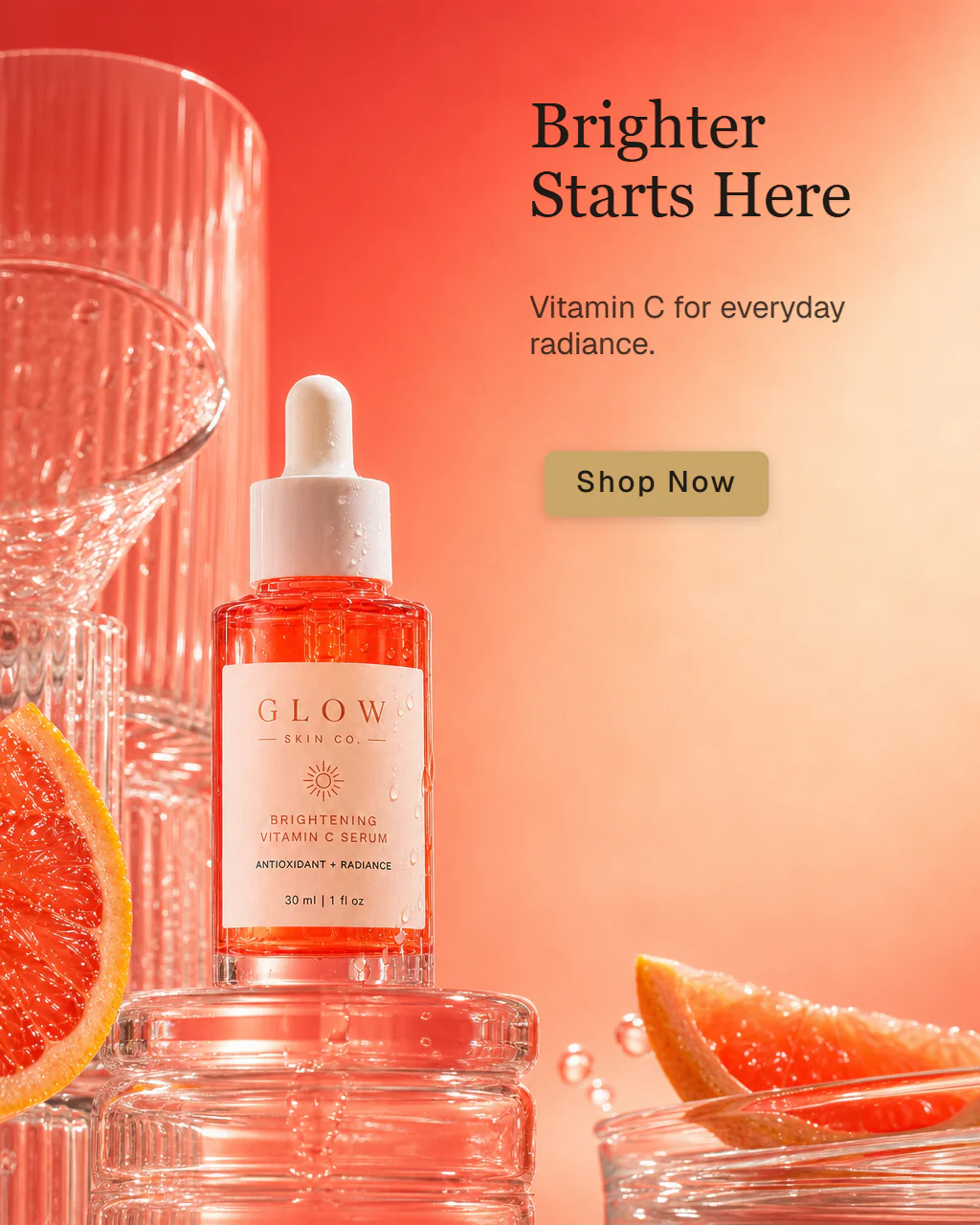
Vitamin C serum · Bold commercial
Creative direction: Vivid coral, glass, and water turn a simple serum bottle into a bright, high-energy beauty campaign.
AI advertisement examples
See how a single product image can become a complete AI-generated advertisement — across different settings, messages, and creative directions. These are finished advertisements, not just AI-generated images.
Fast signup. No credit card required.
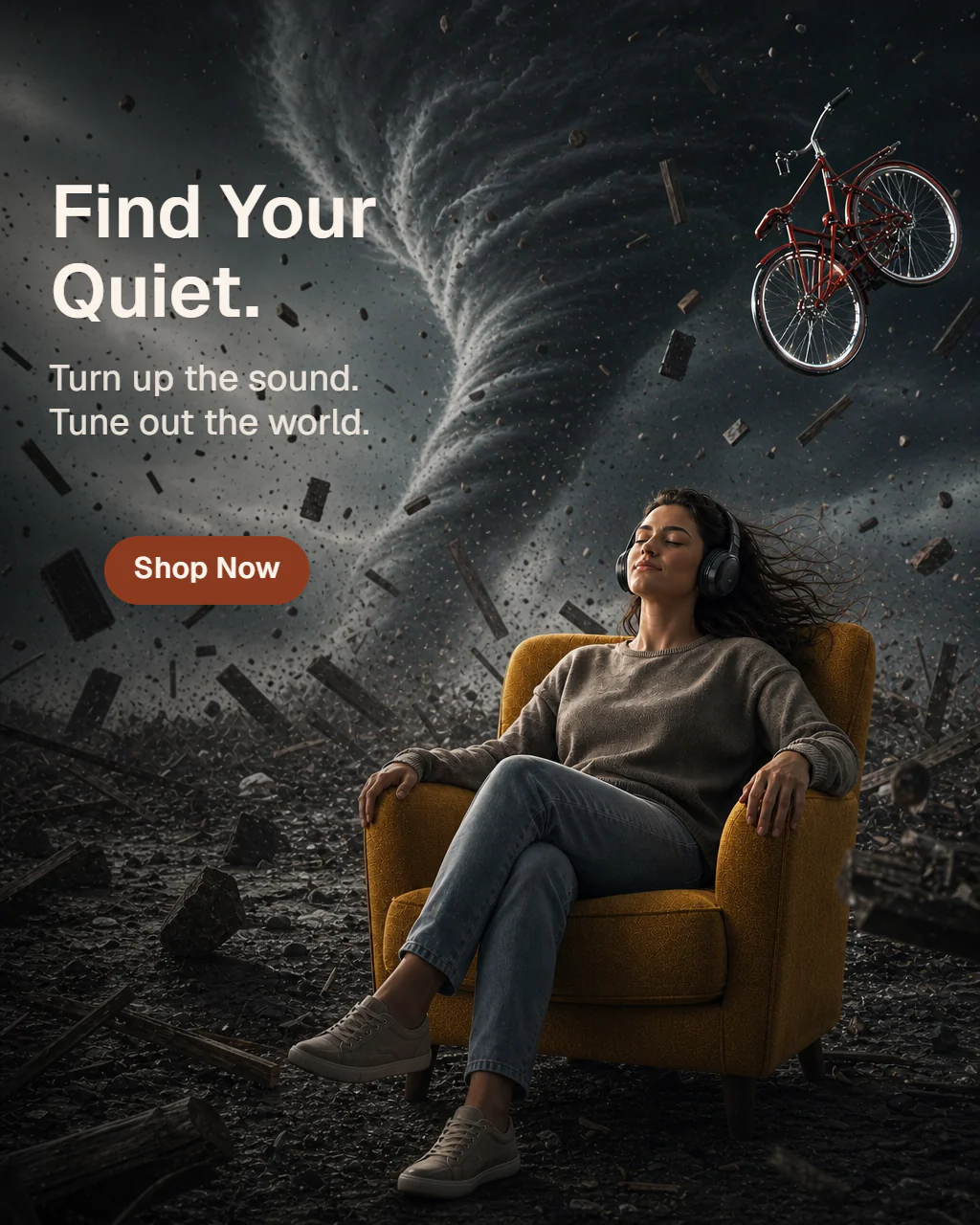
See the range
Every advertisement below started as a single product photo. AdBuzz explored a different setting and creative direction for each one.
Vitamin C serum · Bold commercial
Creative direction: Vivid coral, glass, and water turn a simple serum bottle into a bright, high-energy beauty campaign.
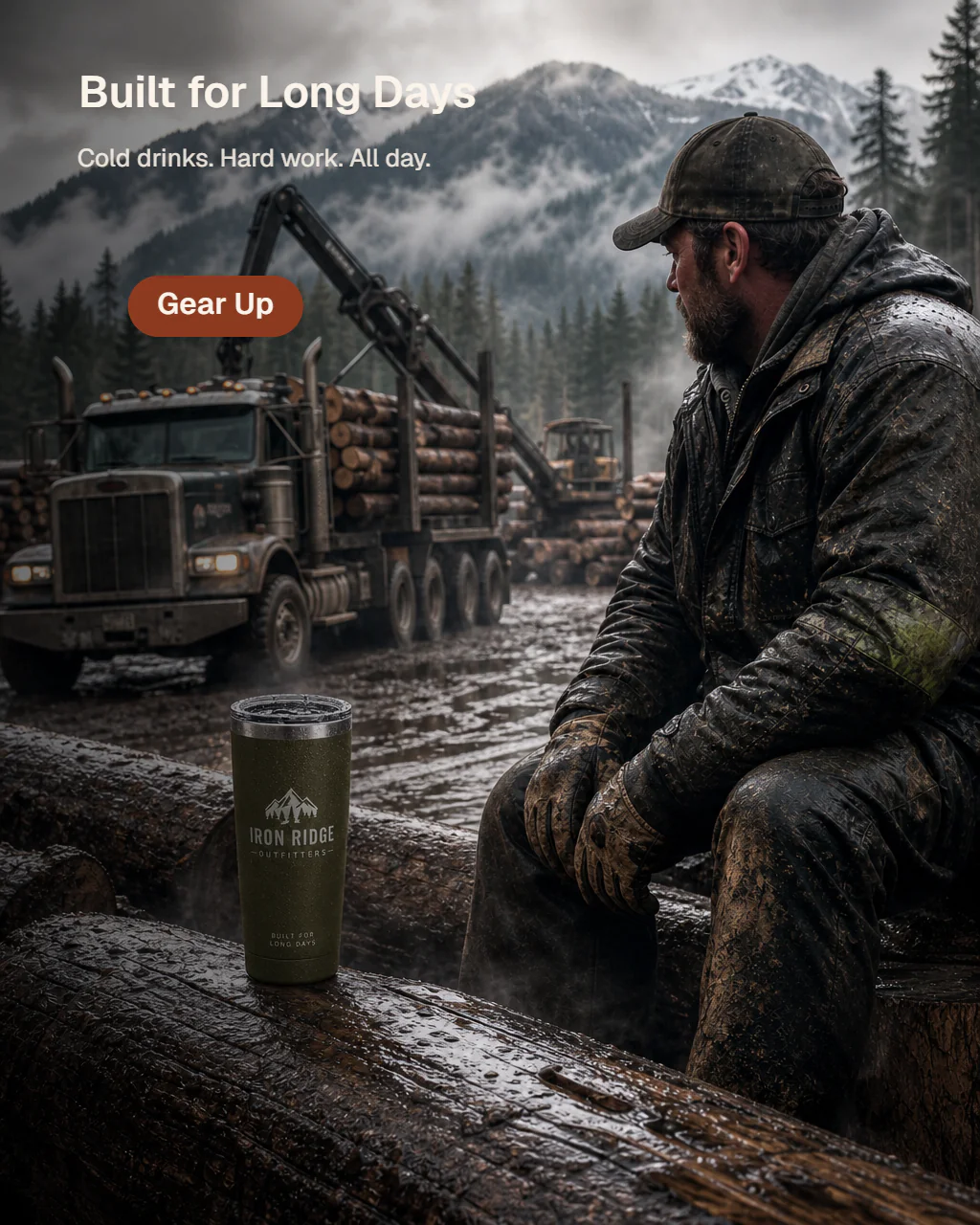
Insulated tumbler · Rugged lifestyle
Creative direction: A rain-soaked logging site puts the tumbler into a demanding workday of mud, heavy equipment, and working gear.
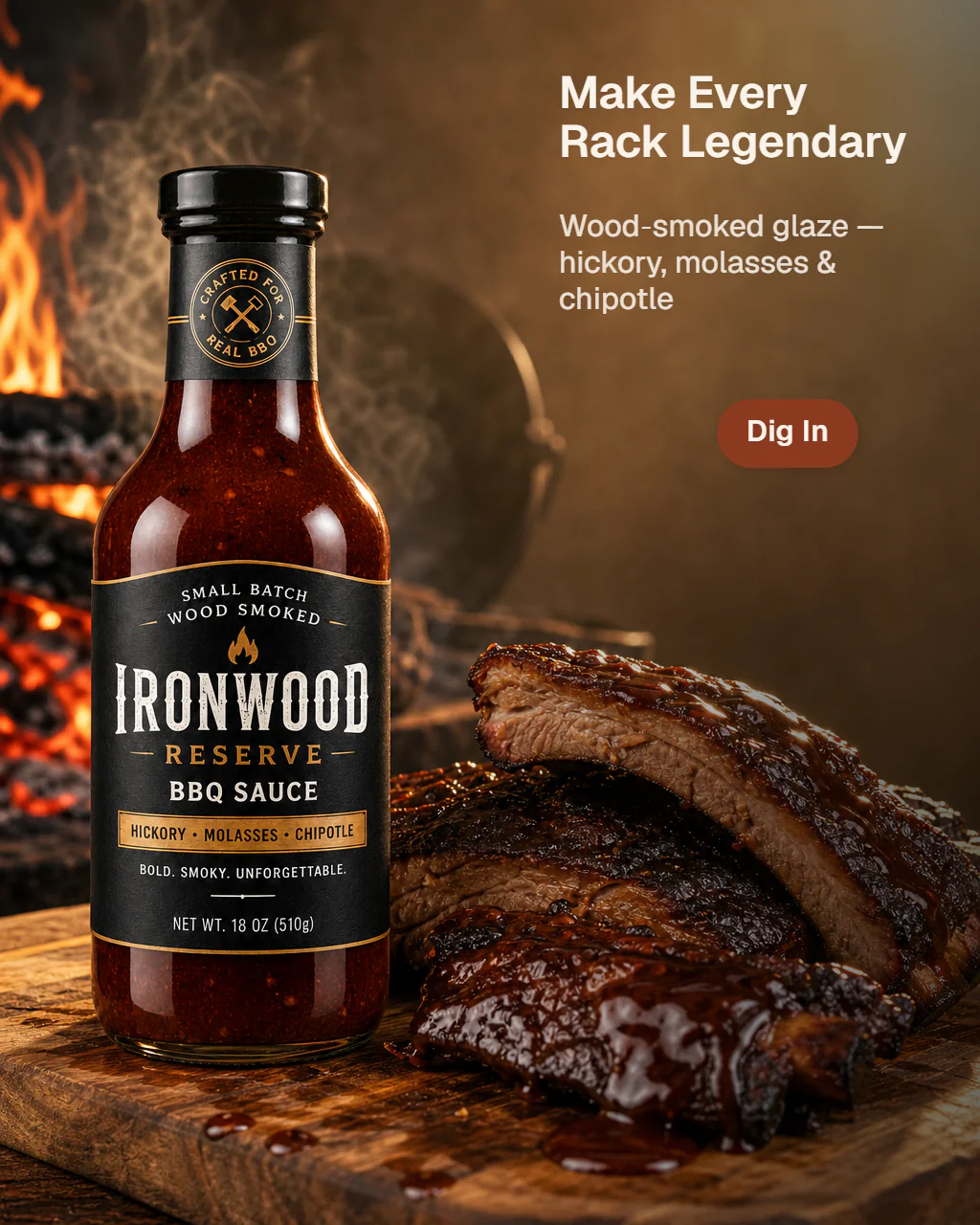
BBQ sauce · Appetite-driven
Creative direction: Fire, smoke, and glossy ribs turn the barbecue sauce into the centerpiece of an indulgent cookout.
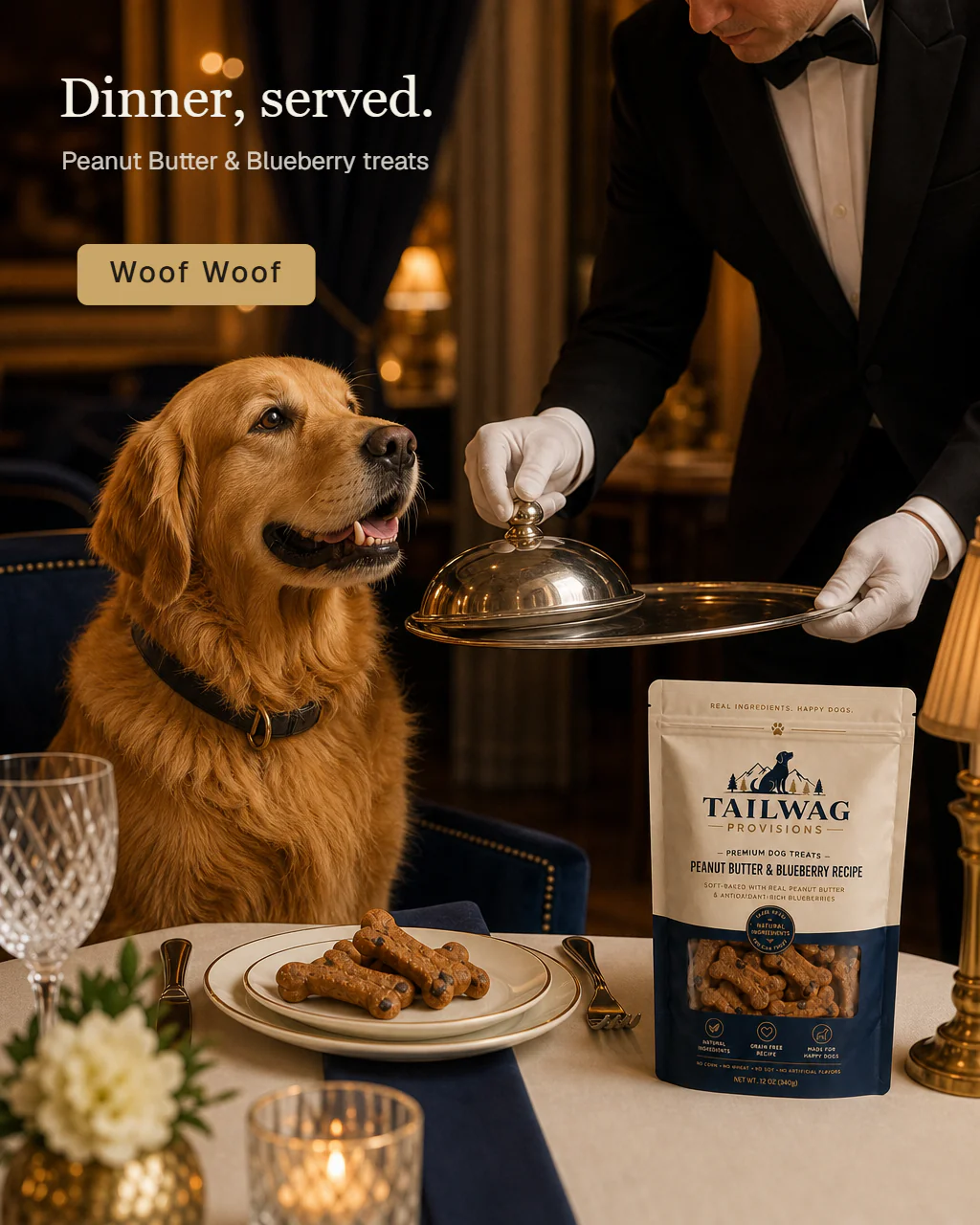
Premium dog treats · Playful luxury
Creative direction: Fine dining turns an everyday dog treat into a playful luxury experience, complete with tableside service.
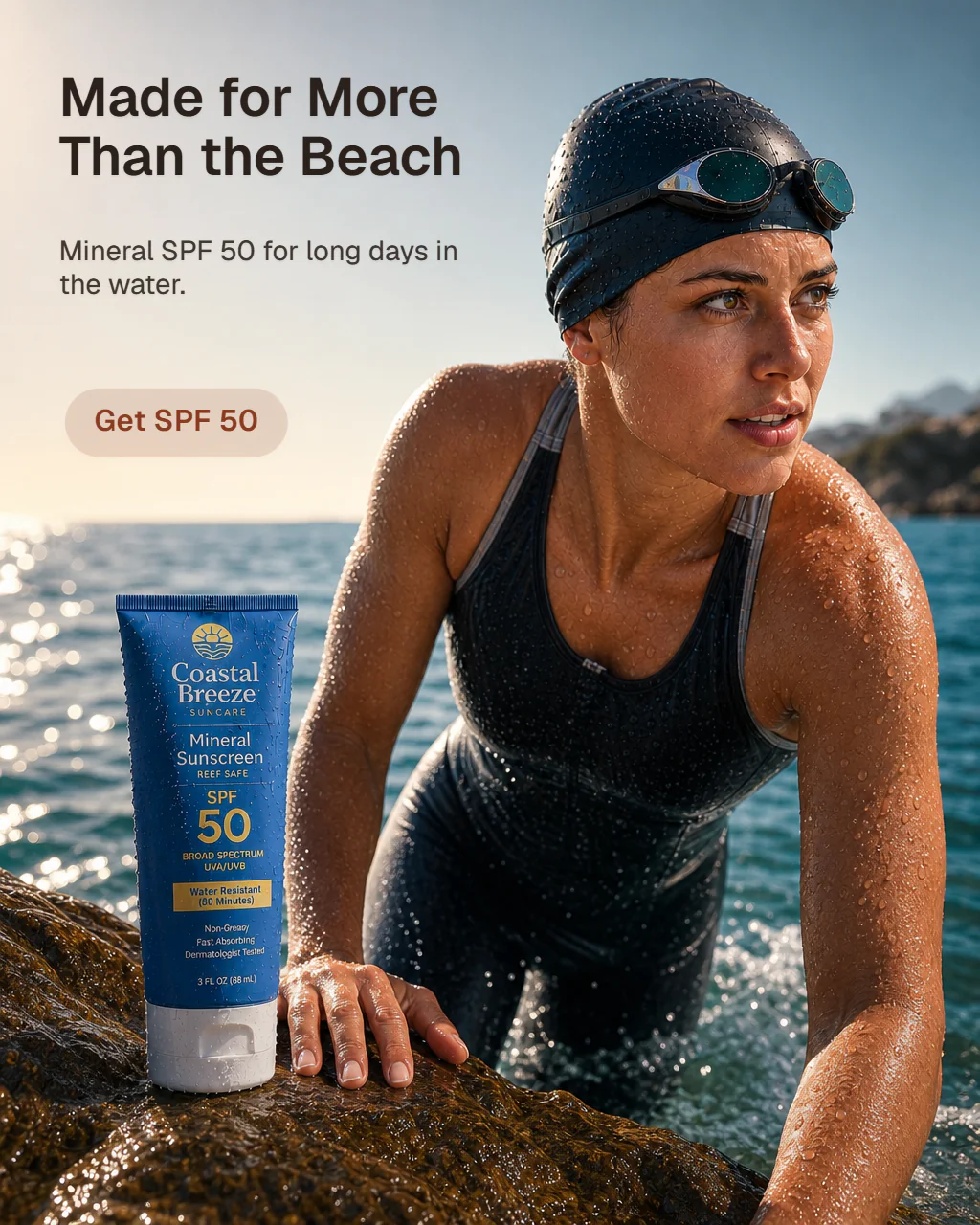
Mineral sunscreen · Active performance
Creative direction: Open-water swimming moves the sunscreen beyond the beach and into a demanding athletic setting.
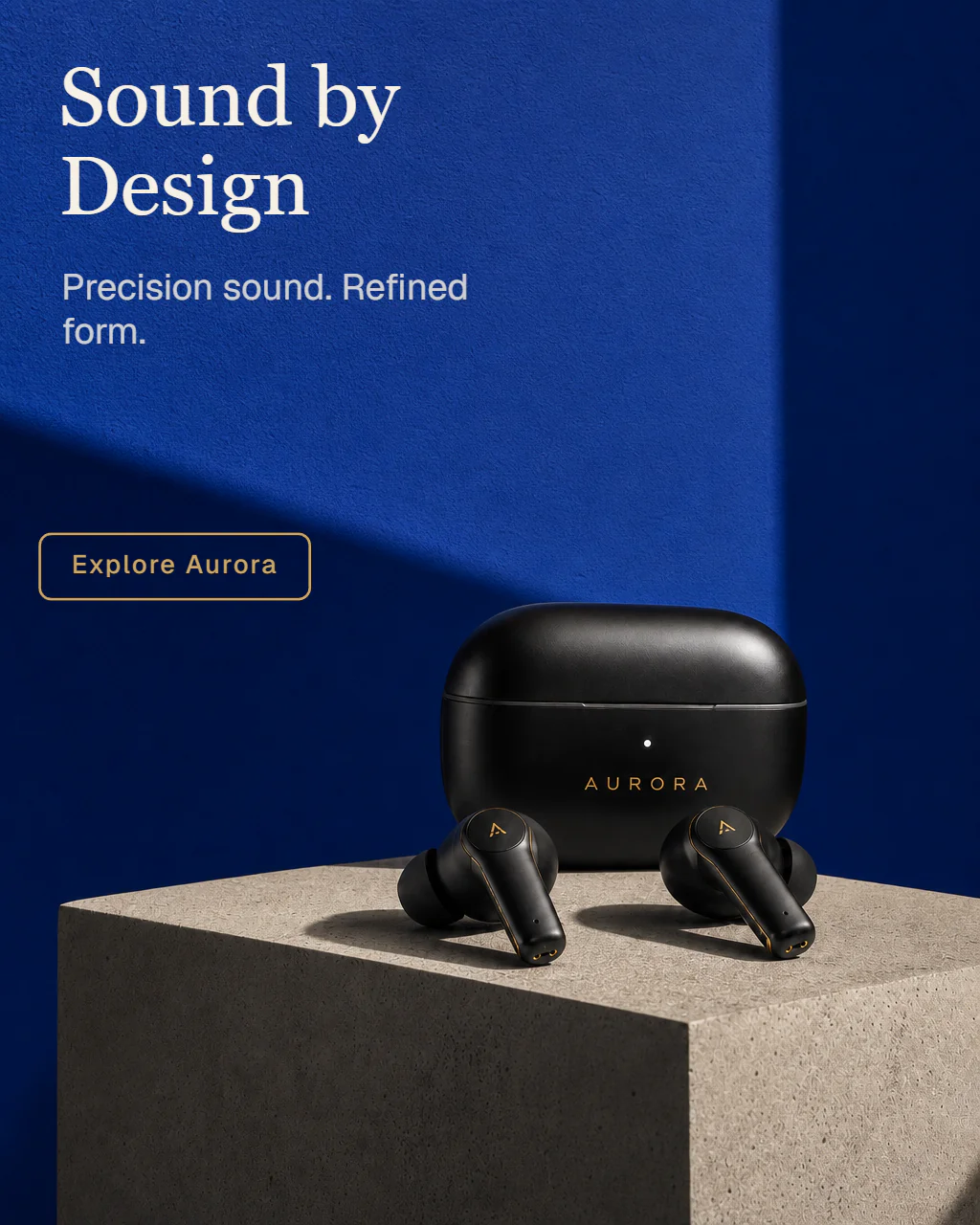
Wireless earbuds · Architectural minimalism
Creative direction: Cobalt walls, hard light, and geometric shadows turn the earbuds into a sculptural design object.
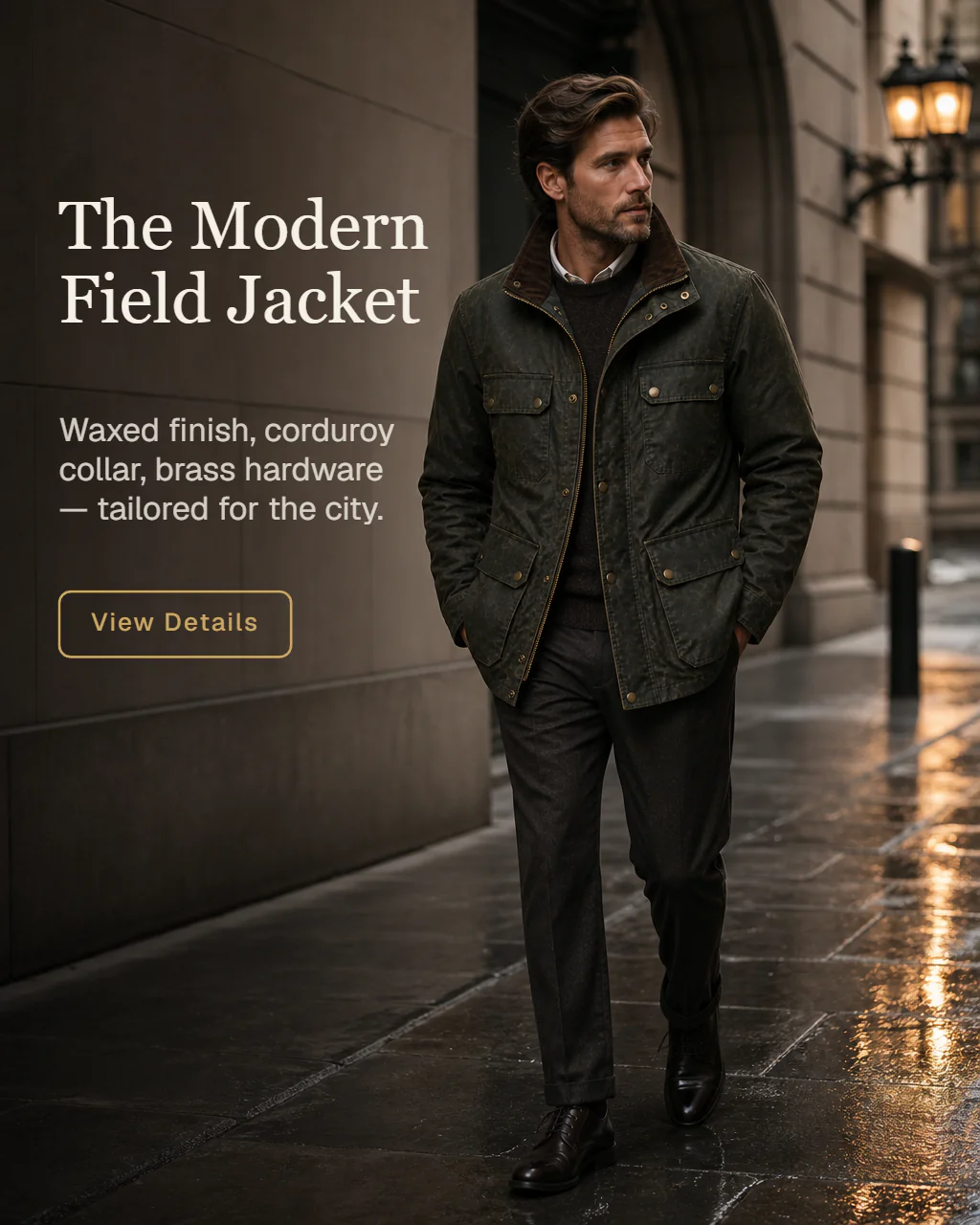
Field jacket · Editorial menswear
Creative direction: A rain-slicked city setting reframes a rugged field jacket as refined, modern menswear.
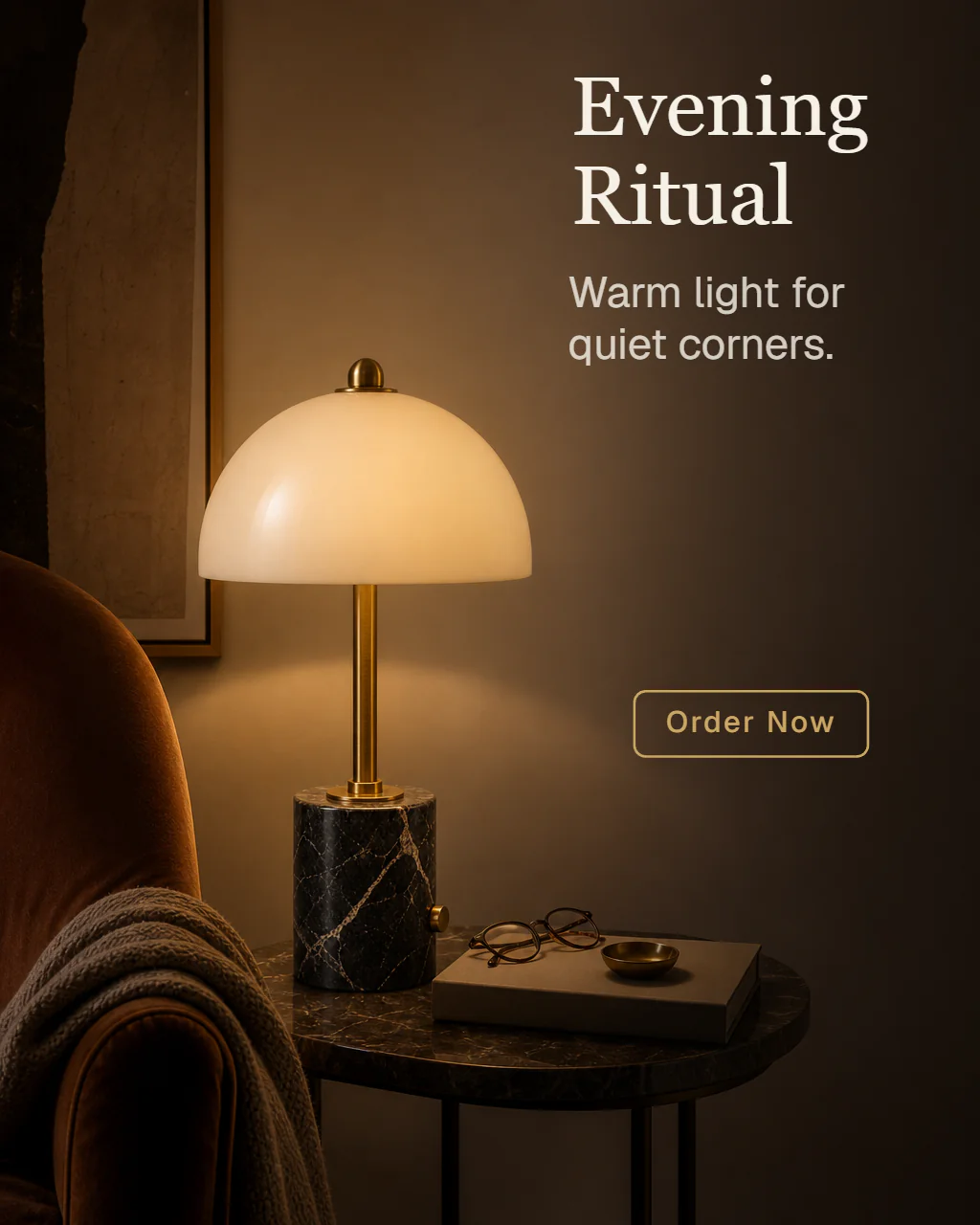
Table lamp · Atmospheric interior
Creative direction: Warm lamplight transforms a quiet reading corner into an intimate evening retreat.
Real AdBuzz output. Every advertisement on this page was created in AdBuzz from a product image.
From product image to advertisement
Start with a product image, explore different advertising directions, develop a favorite, then make the finished advertisement your own.
01 / Upload
Bring the image you already have.
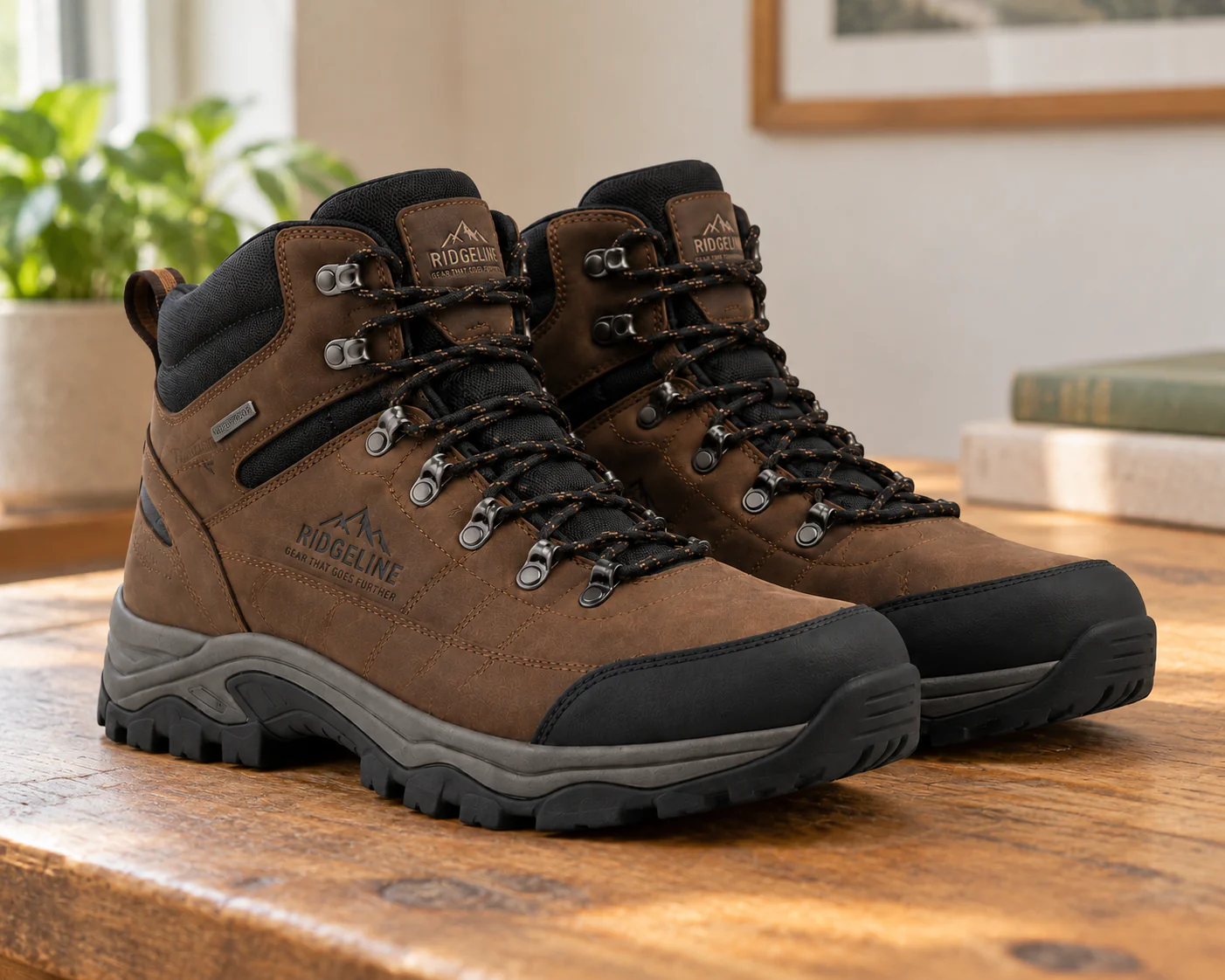
02 / Explore
Compare different settings, compositions, and creative directions.

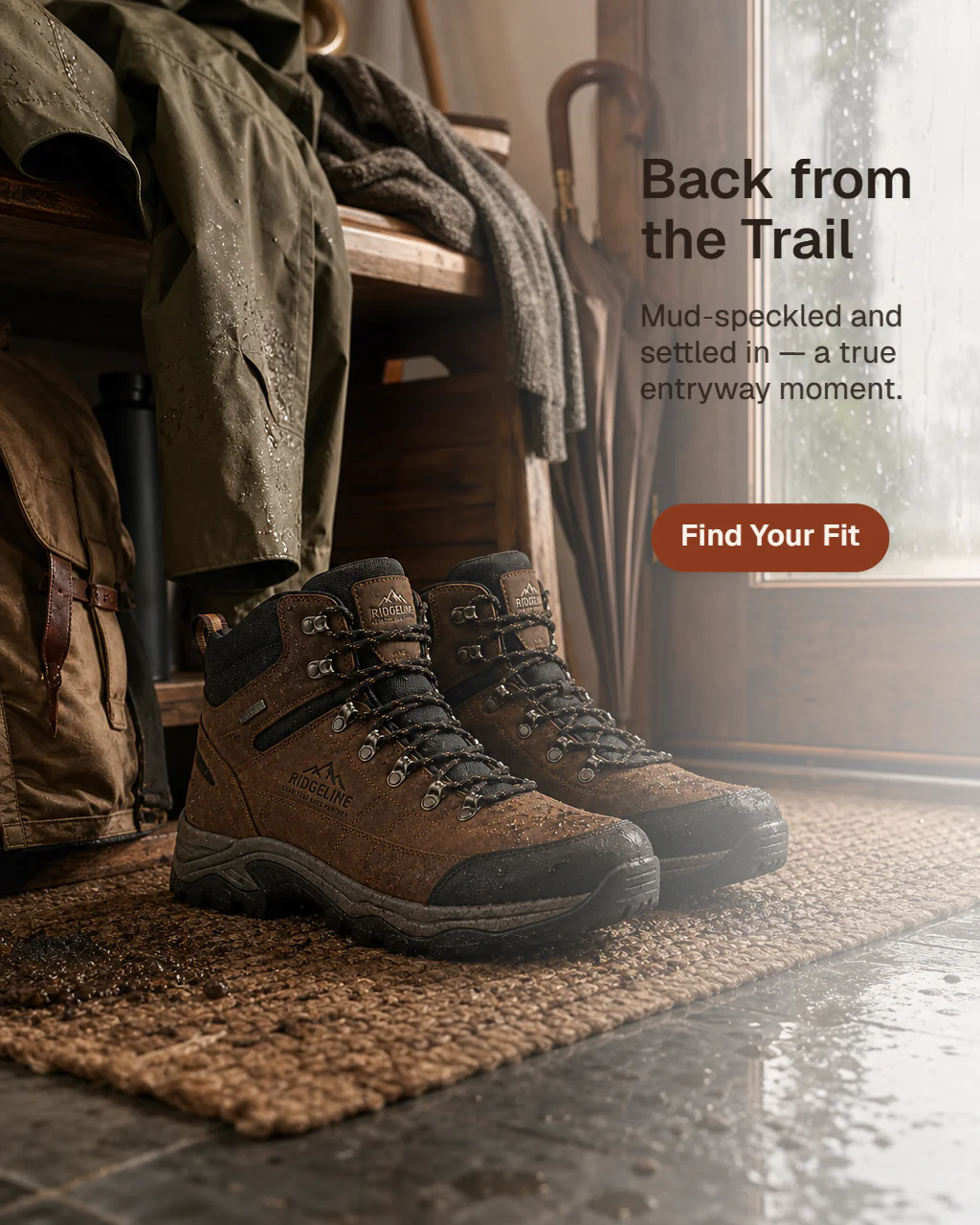
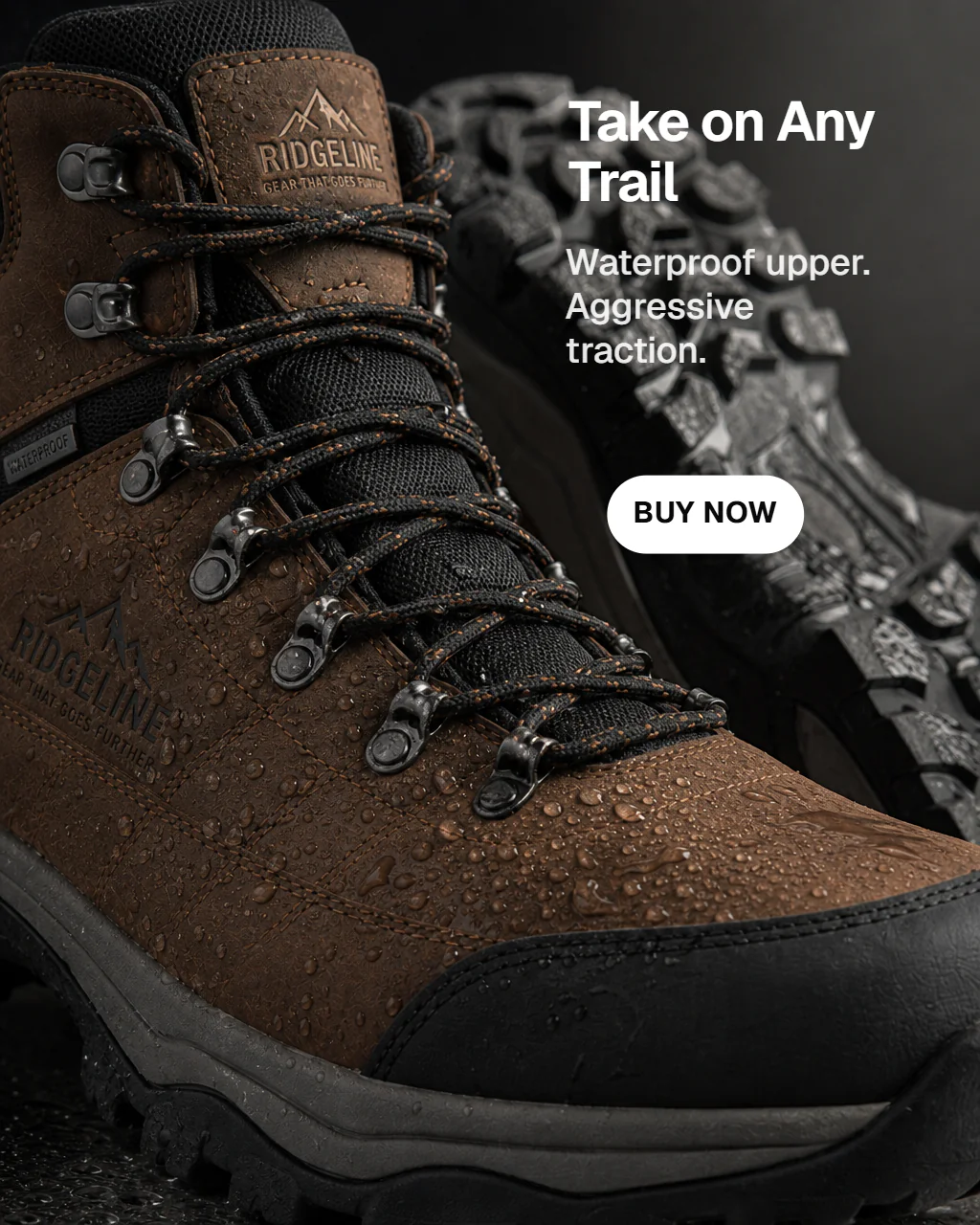
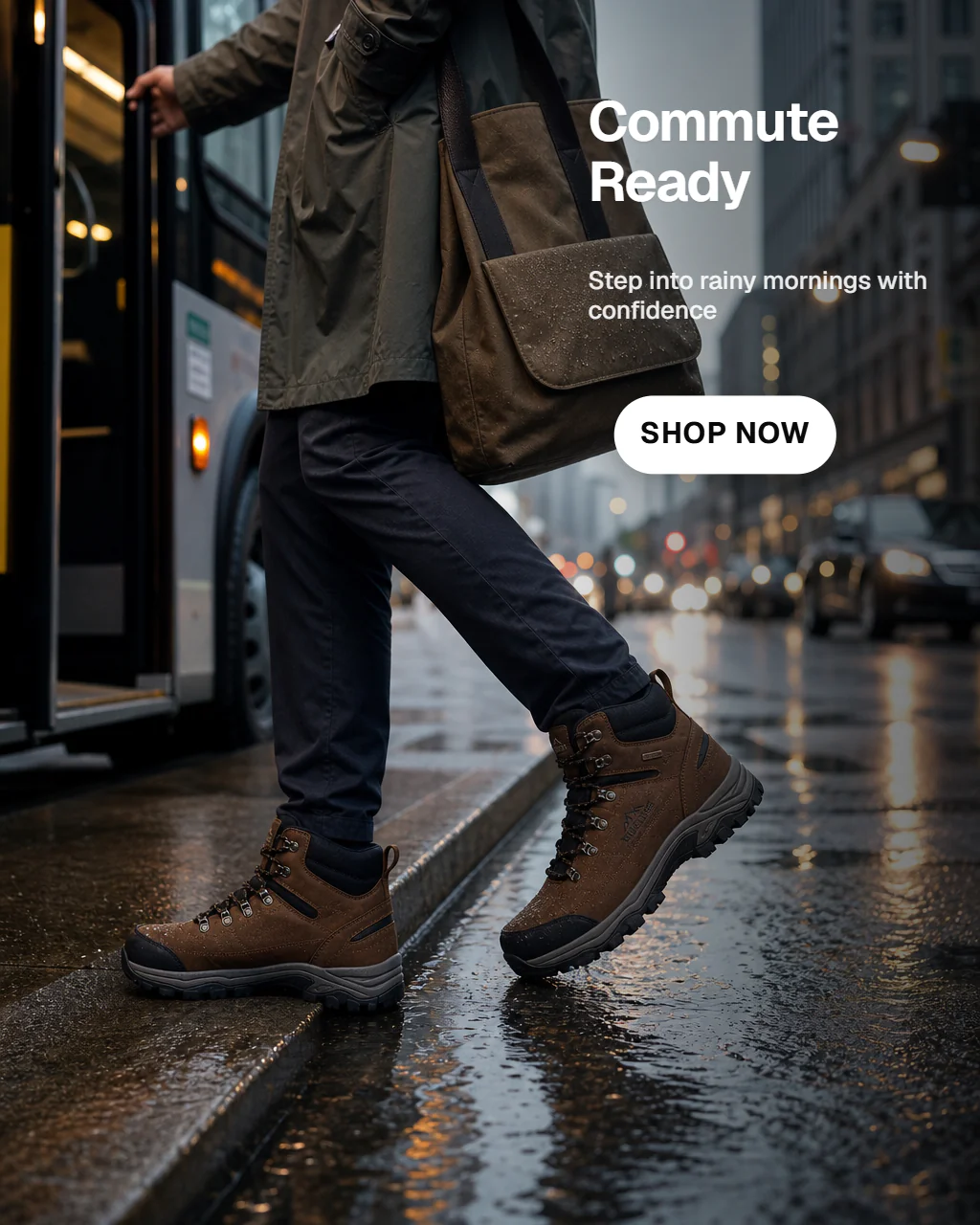
03 / Refine
Take the strongest direction further.
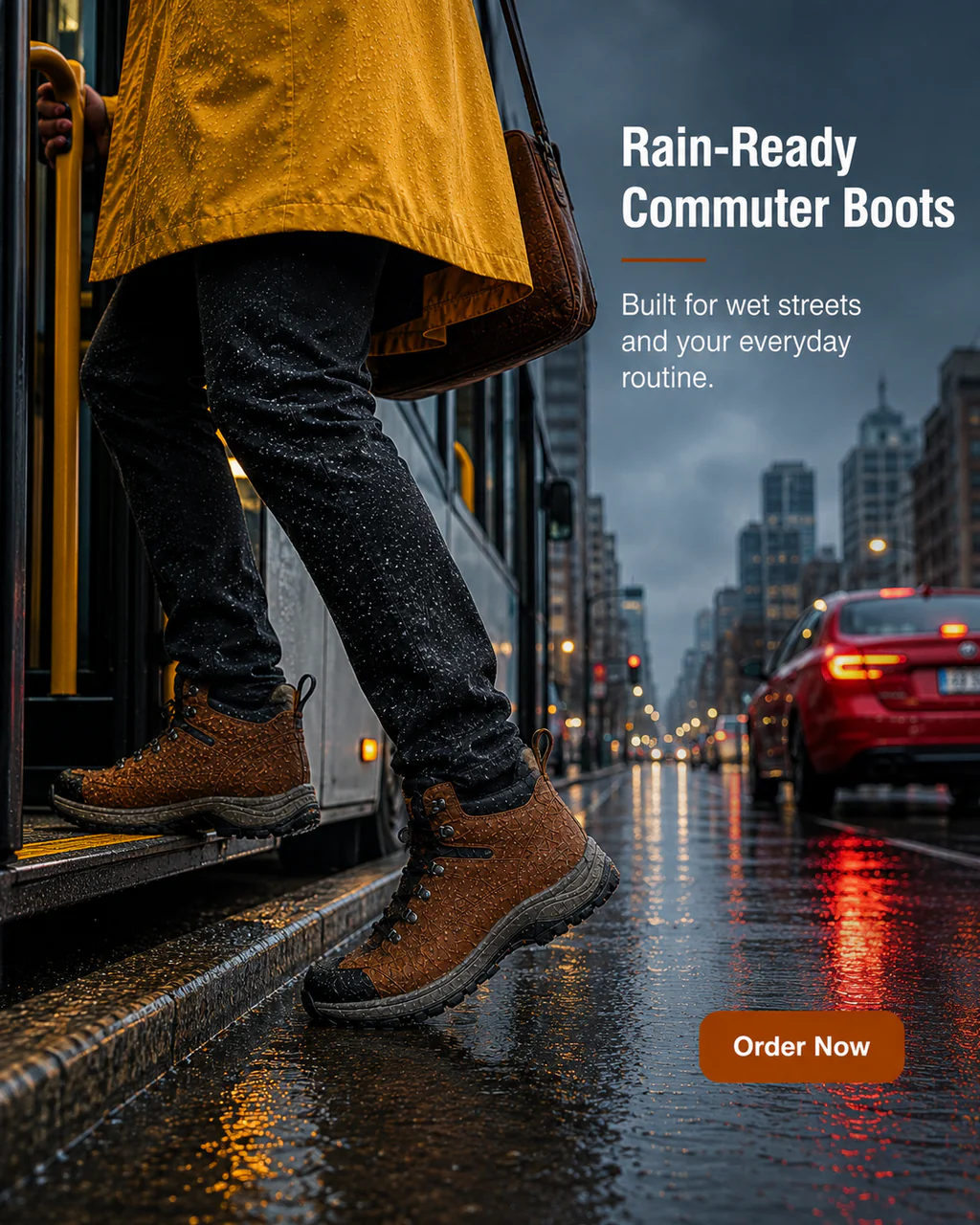
04 / Finish
Edit the copy and position the text to finish your advertisement.
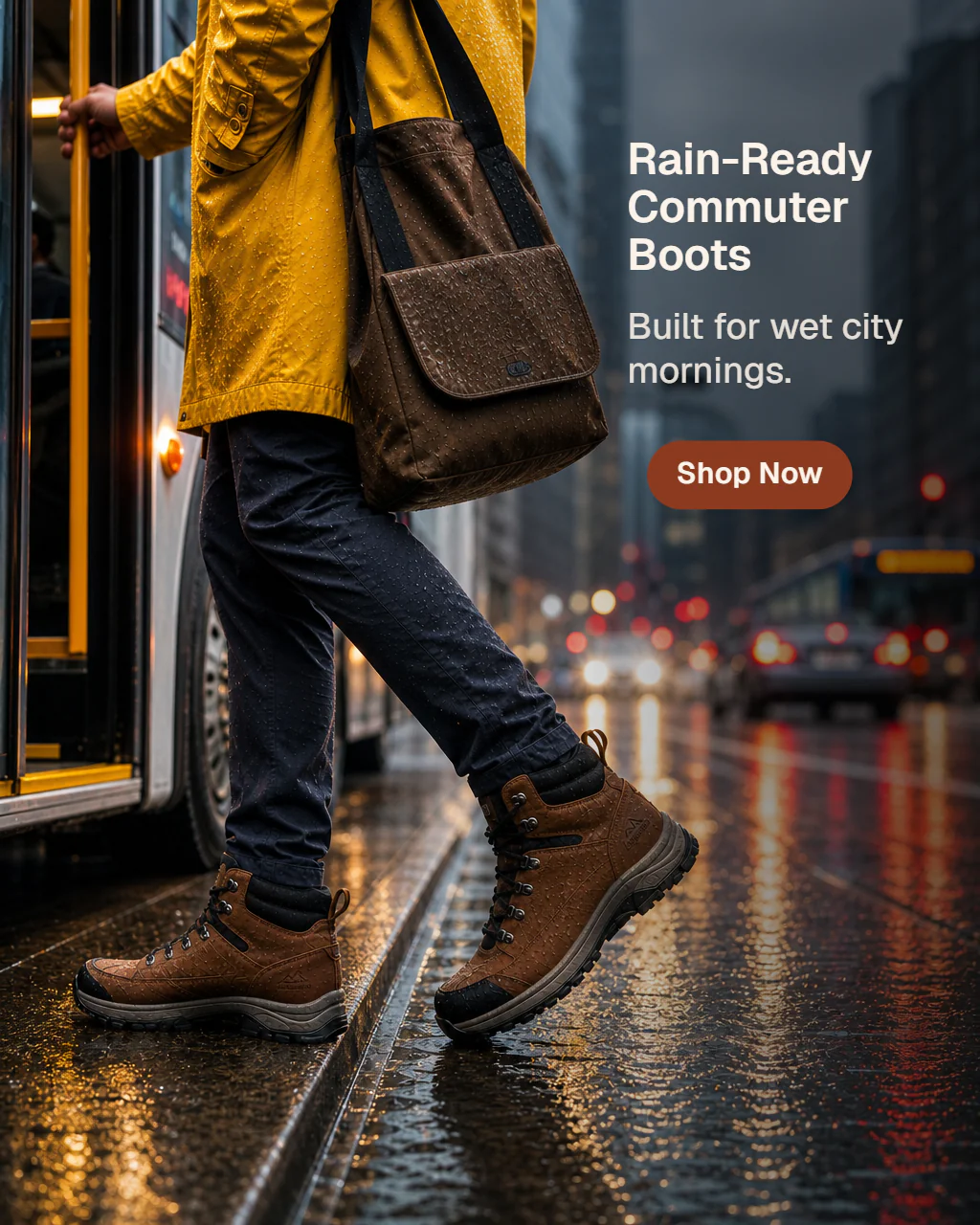
Explore automatically when you want inspiration, or use Creative Direction to tell AdBuzz exactly where you want to go.
Same product, different directions
Every advertisement below started with the same product image. Let AdBuzz explore different directions on its own, or use Creative Direction to tell it what you have in mind. Either way, you can compare complete ads before choosing a direction.
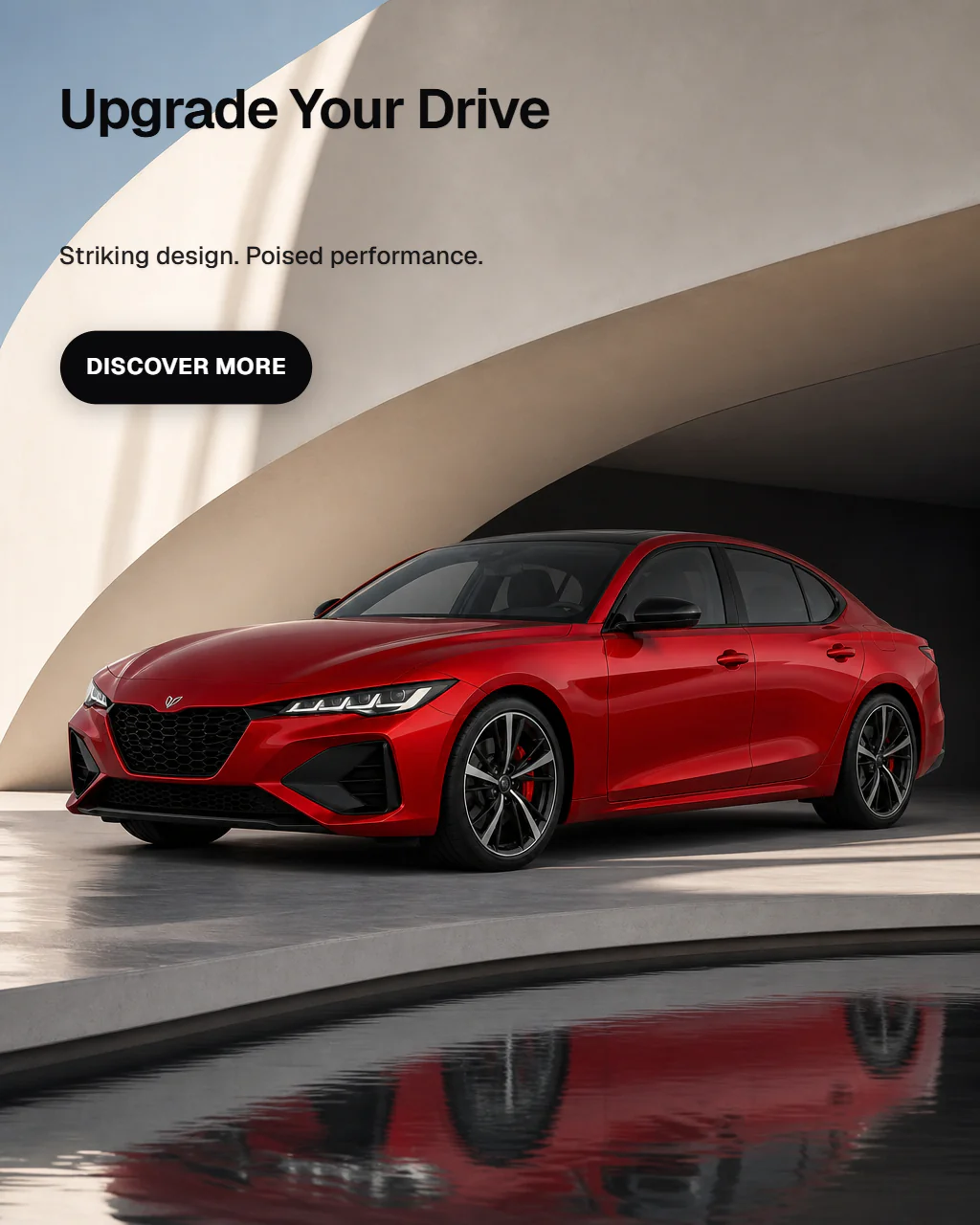
Design
A sculptural architectural setting turns the car into a statement of form and presence.
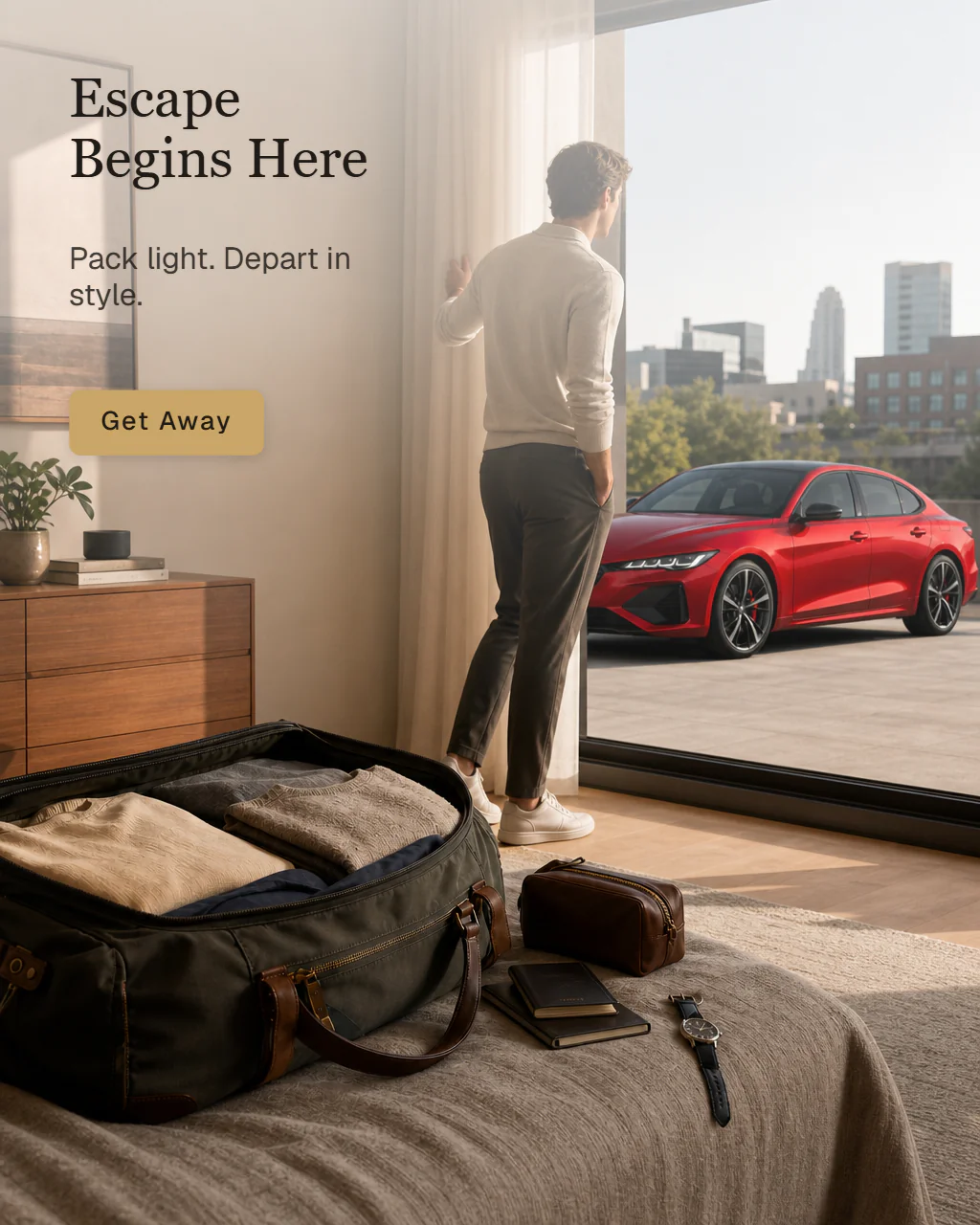
Lifestyle
A weekend departure turns the same car into part of a larger personal story.
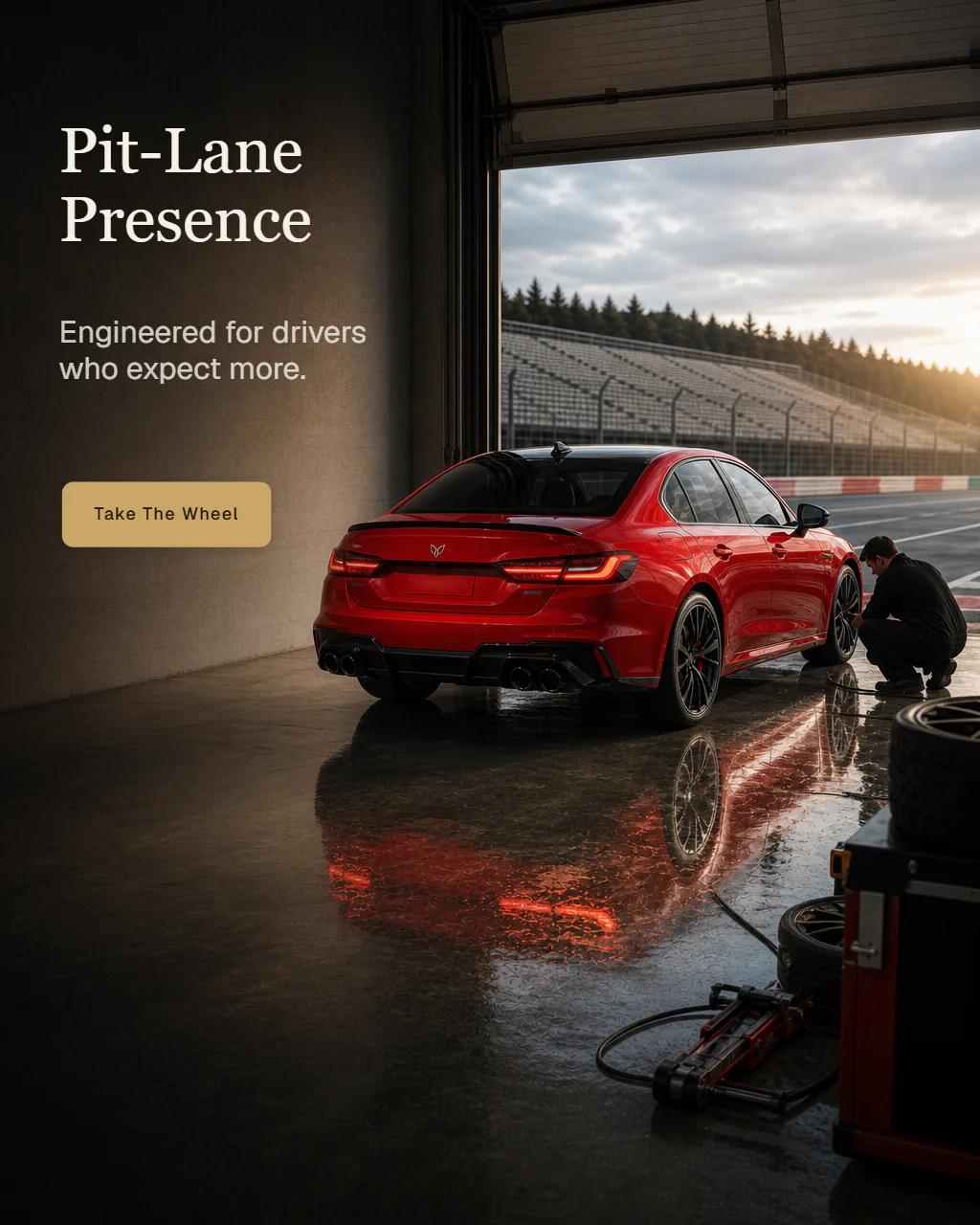
Performance
A pit-garage setting shifts the message toward engineering, precision, and confidence.
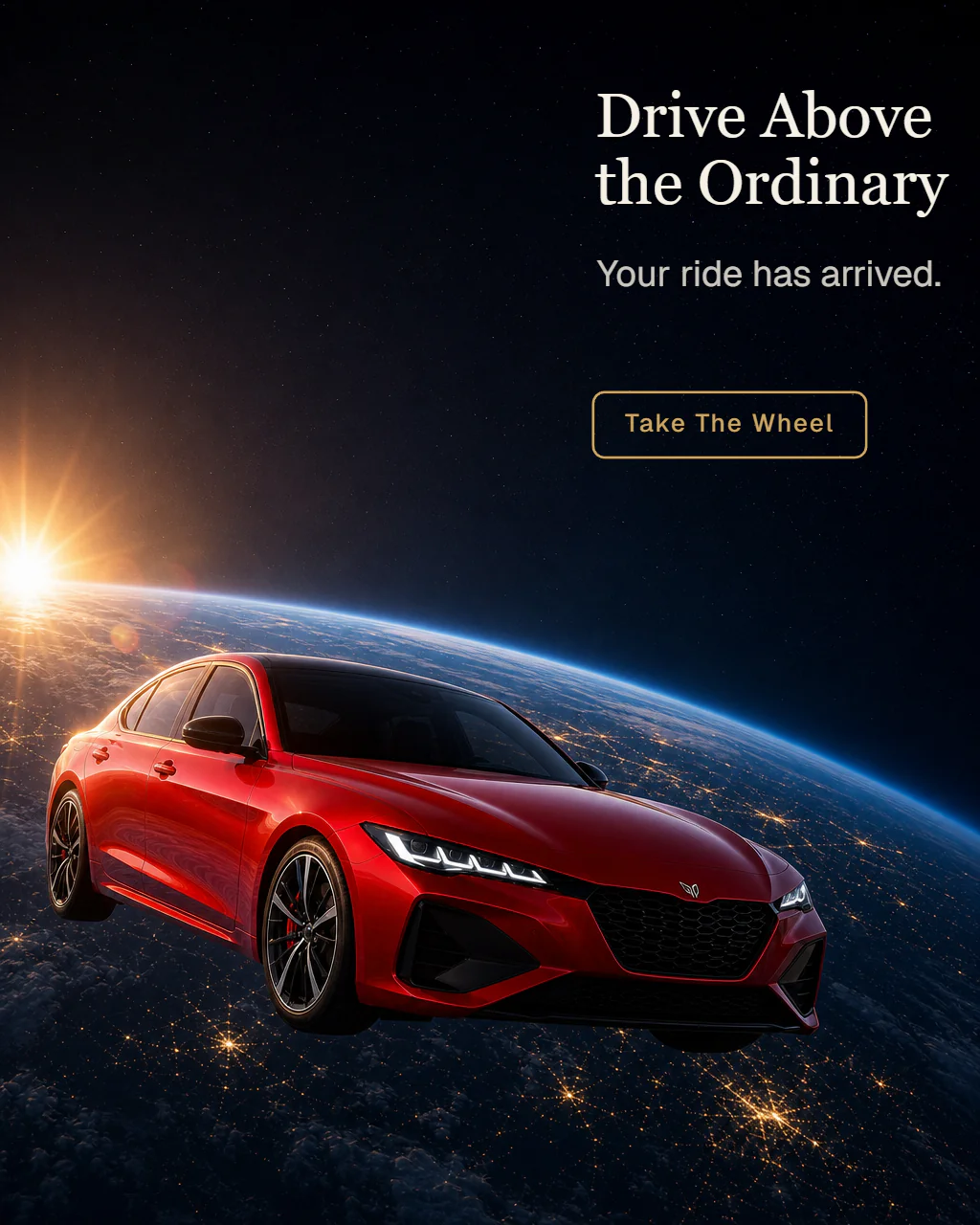
Conceptual
An impossible setting turns the same car into a larger-than-life advertisement.
Creative range
AI-generated advertisements can take many creative forms. The examples above include product-focused, lifestyle, editorial, bold commercial, and surreal approaches. The right approach depends on the product, audience, message, and advertising goal.
Best when the product itself is the selling point. The product stays visually dominant while lighting, composition, and background clarify its design, materials, features, or finish. This approach works especially well for products that benefit from close inspection rather than an elaborate story.
Lifestyle advertising places the product in a situation the audience can recognize or aspire to. Instead of simply showing what the product looks like, the scene helps answer a more persuasive question: what might owning or using this product feel like?
Editorial advertising uses restrained composition, typography, styling, and mood to give the product a more art-directed presentation. It is particularly useful when taste, design, craftsmanship, or brand character matters as much as a specific feature or offer.
Bold commercial ads prioritize immediate impact. Strong contrast, expressive color, direct copy, and an obvious visual hierarchy help the product and message register quickly, making this approach useful when an advertisement has only a moment to earn attention.
Conceptual advertising puts the product into an unexpected or impossible idea: a visual metaphor, exaggerated environment, or scene that would be difficult or expensive to produce conventionally. The strongest concepts still connect the spectacle back to the product or message.
Direct-response advertising is organized around action. The product, offer, headline, supporting copy, and call to action work together so the viewer quickly understands what is being offered, why it matters, and what to do next. See Promotional Ad Examples for how the offer itself can become part of that hierarchy.
Advertising fundamentals
A visually impressive AI-generated image is not automatically an effective advertisement. Strong AI ads still need a recognizable product, a coherent concept, clear messaging, useful visual hierarchy, and a creative direction that fits the audience.
The product should remain recognizable and believable. Check important details such as shape, proportions, materials, colors, packaging, labels, and distinctive features. A dramatic scene is not useful if the product being advertised has quietly become a different product.
The setting should express an advertising idea, not merely demonstrate that AI can create an unusual picture. Ask what the concept says about the product and whether the setting, product, and message reinforce the same idea.
The viewer should be able to understand the ad quickly. Product, headline, supporting message, and call to action should compete as little as possible. Good hierarchy guides attention deliberately instead of asking every element to be noticed at once.
A setting can add meaning, aspiration, humor, appetite appeal, performance cues, or emotional context. It should contribute something useful to the advertisement. A spectacular background that has no relationship to the product is usually decoration, not direction.
The headline should carry the main idea, supporting copy should add information worth reading, and the call to action should make the next step clear. Copy earns its place by communicating; it should not exist simply because the layout has room for text.
The most visually dramatic concept is not automatically the strongest one. Tone, setting, styling, language, and level of polish should make sense for the product, the intended audience, and the impression the advertiser wants to create.
An important distinction
An AI-generated image and an AI-generated advertisement are not the same thing. An image can succeed simply by being useful, beautiful, surprising, or realistic. An advertisement has a different job: it has to communicate something about a product, offer, or brand to an audience.
That difference changes how the creative should be judged. A striking product image may still be a weak ad if the concept has no relationship to the product, the message is unclear, or the viewer does not know what to do next. In a finished advertisement, imagery, copy, composition, and context work toward the same advertising purpose.
AdBuzz is built around the advertisement as the finished unit. The generated imagery matters, but it is one part of a larger creative decision: what the ad should say, how the product should be presented, and which direction is worth developing.
Image vs. advertisement
Can be complete as a visual. Its purpose might be to depict a product, create a scene, illustrate an idea, or produce an attractive piece of imagery. It does not necessarily need an audience, message, offer, or next step.
Uses imagery in service of an advertising objective. The product or offer, creative concept, message, audience, visual hierarchy, and presentation work together so the viewer understands what is being advertised and why it matters.
Getting started
Creating an AI advertisement from a product image in AdBuzz starts with a clear source photo. From there, you can give AdBuzz a specific Creative Direction or let it explore different advertising ideas, compare complete ads, develop the strongest direction, and finish the advertisement with your own copy and text placement.
Upload a photo where the product is easy to see. AdBuzz uses that image as the source product while developing new ads around it.
If you know the setting, mood, audience, positioning, or concept you want, describe it with Creative Direction. If you don't, let AdBuzz explore different possibilities for you.
Explore finished ads with meaningfully different settings, messages, compositions, and visual approaches rather than committing to the first idea.
Choose an ad you like and evolve it further. AdBuzz can develop that direction while retaining the product and the creative idea you chose.
Edit the headline, supporting copy, and call to action, and adjust the text positioning to finish the presentation.
Check the product, copy, legibility, composition, and overall presentation, then download the finished advertisement when you're satisfied.
Common questions
An AI advertisement is an ad created in whole or in part with artificial intelligence. AI can help develop the concept, setting, imagery, composition, or advertising copy, while the finished advertisement still needs a product or offer, a message, and a presentation designed for an advertising goal.
Yes. A clear product photo can provide the source for ads built around that product, including new settings, compositions, supporting imagery, messages, and finished presentations. Starting with the real product also gives the creative process a concrete visual reference to preserve.
Yes. The same source product can support very different advertising ideas rather than minor variations of one composition. A single product might be presented as a clean design object, placed in a believable lifestyle scene, positioned around performance, or used in an intentionally impossible conceptual setting.
Product fidelity should be treated as a requirement, not assumed. AdBuzz is designed to keep the product recognizable and faithful to the source while developing new advertising settings and creative directions around it, but AI-generated results should still be reviewed for important product details before use.
No. You can begin with a specific creative direction when you already have an idea, or explore multiple directions when you do not. Comparing genuinely different directions can be useful for discovering a stronger positioning, setting, or message before investing further in one direction.
Yes. Finished advertisements can be created for common social placements, with the composition and aspect ratio chosen for the intended context. See the Facebook Ad Examples and Instagram Ad Examples to see advertisements presented in those feed contexts.
Keep exploring
A few more places to see AdBuzz turn product images into finished advertisements.
Start creating
Upload a product image and let AdBuzz explore different creative directions for you.
Fast signup. No credit card required.